

Starting a school is exciting. But it is also one of the easiest moments to make administrative mistakes that will quietly follow you for years.
Many schools struggle later not because they lack good teachers or committed students, but because their records were never set up properly in the first place. Missing documents, inconsistent data, and scattered files make growth stressful and inspections painful. What felt manageable at 20 students becomes a genuine crisis at 150.
This guide walks you through how to build a solid records foundation from day one, whether you are starting with 10 pupils or planning to grow to hundreds.
Understand the Different Categories of Records
One of the most common mistakes school administrators make is treating "school records" as one single thing. In reality, they fall into distinct categories, and each one needs its own home.
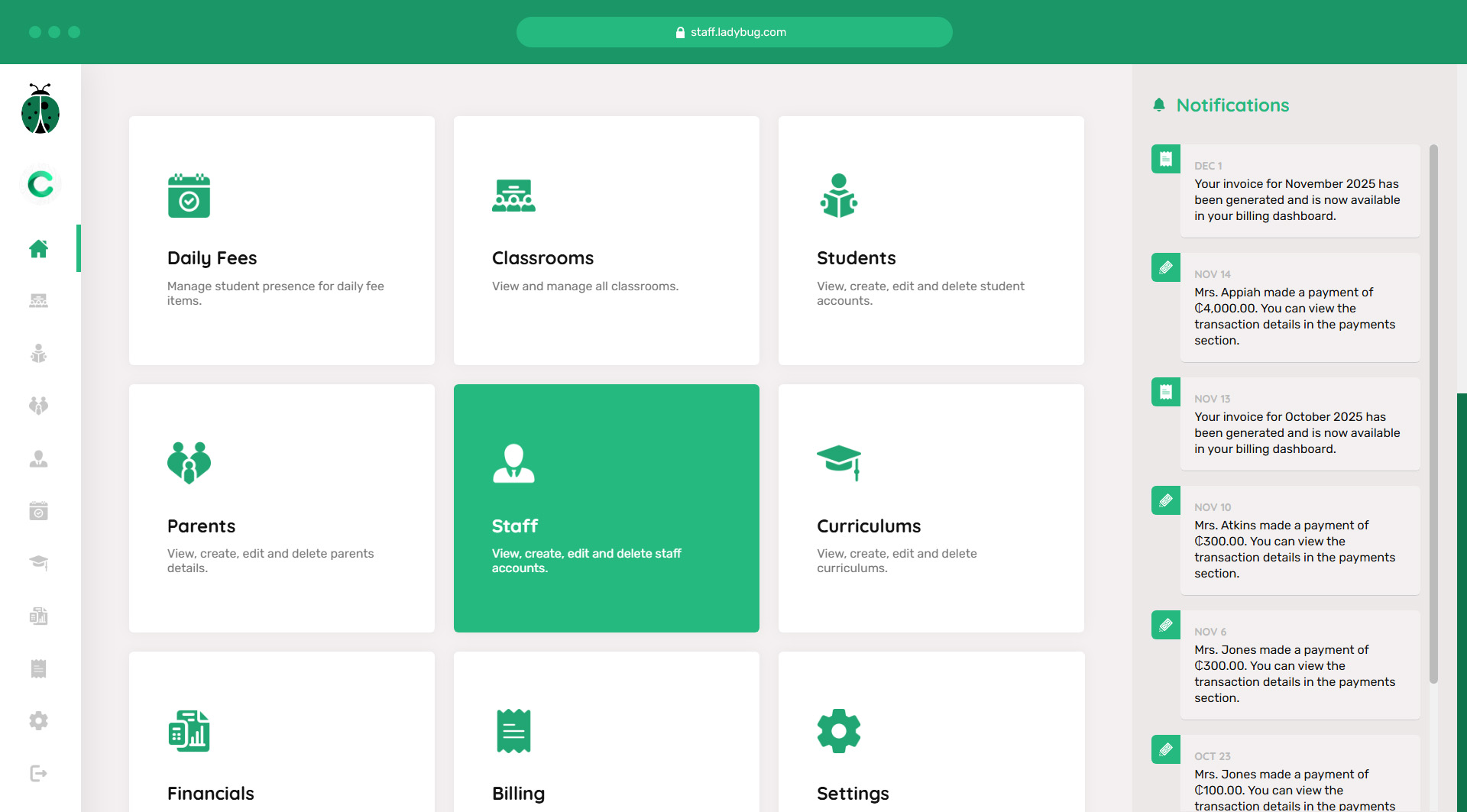
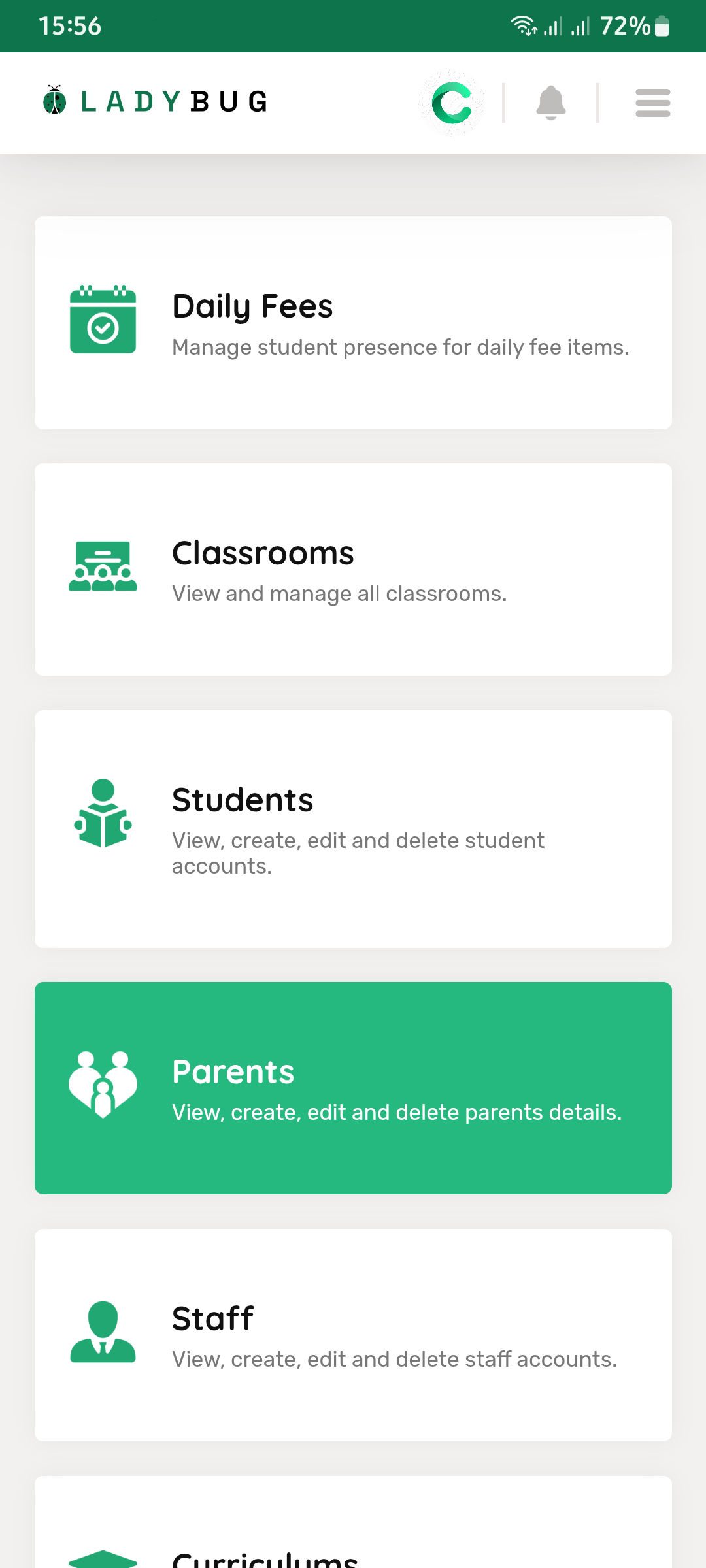
Student records cover personal details, admission information, academic history, attendance, and any health or special notes relevant to a child's care. Staff records hold employment history, qualifications, roles, and contact information. Financial records track fees charged, payments received, receipts issued, and expenses. Then there are operational records — your academic calendar, class lists, timetables, and assessment reports.
When these categories are mixed together or poorly labelled, confusion grows faster than your enrolment does.
Build a Consistent Structure from the Beginning
Every record your school creates should follow the same logic. Student names spelled consistently across every document. Admission numbers that follow a clear, predictable format. Fees recorded using the same terminology each term. Dates written the same way throughout.
This may feel like an unnecessary detail when you are just getting started, but consistency is exactly what allows a school to grow without descending into chaos. Schools that skip this step almost always end up rewriting their records later — wasting hours and introducing new errors in the process.
Make a Decision Early: Paper, Digital, or Hybrid
Many new schools begin with paper because it feels cheaper and familiar, and there is nothing wrong with that instinct. The problem is not paper itself — it is what happens to paper at scale.
The moment your student numbers climb, parents start asking for clarity, or reporting becomes more frequent, a paper-only system becomes slow and risky. A digital or hybrid approach from day one gives you faster access to information, better security, and the ability to pull reports when you need them without tearing through filing cabinets. The goal is not to be sophisticated — it is to be organised and retrievable.
Assign Clear Ownership Over Your Records
Records break down when everyone is responsible, because that usually means no one truly is. Even in a small school, you need to define who enters data, who updates it, who approves changes, and who generates reports. That clarity prevents mistakes from creeping in and removes the finger-pointing that happens when something goes wrong.
Plan for Growth, Even When You Are Still Small
It is tempting to say "we will organise properly once we are bigger." But the schools that thrive are the ones that build systems designed for where they are going, not just where they are now. A structure that works for 15 students and 3 staff members should be one that can comfortably stretch to 100 students, multiple classes, and more complex finances. Growth should feel like natural expansion — not an administrative emergency.
A Final Word
Good school administration is not about being rigid or complicated. It is about clarity, structure, and the foresight to build something that will serve you well beyond the early days.
Schools that get their records right from the beginning grow with more confidence, handle inspections with less stress, and earn greater trust from the parents who entrust their children to them. Strong schools are built on strong foundations — and your records are one of the most important ones you will ever lay.