

Growth is a good problem to have. Every school leader who has worked hard to build enrolment knows that. But there is a particular kind of stress that comes when a school grows faster than its systems can keep up with — and it is more common than most people admit.
A school that runs smoothly at 25 students can begin to feel genuinely chaotic at 80. Not because the leadership has changed, or the staff have stopped caring, but because the informal ways of managing things that worked when everyone knew everything simply do not stretch. What was once a quick conversation becomes a missing record. What was once manageable in one register becomes a tangle across four.
Growth Exposes What Was Always Weak
The truth is, growth does not create problems — it reveals them. When student numbers were small, a system based on memory and manual tracking could hold together. As numbers increase, records multiply, financial transactions become more frequent, reporting demands grow, and communication between staff becomes more complex. Every weakness that existed quietly in the background suddenly becomes visible and urgent.
This is the moment many schools find themselves reacting instead of managing. And reacting at scale is exhausting.
The Shift Every Growing School Has to Make
There is a transition that every school has to go through as it matures, and the ones that handle growth well are usually the ones that make this shift deliberately rather than waiting to be forced into it.
It is the move from verbal instructions to documented processes. From knowledge that lives in one person's head to systems that anyone authorised can access and understand. From individual effort holding everything together to coordinated workflows where responsibilities are clear and information is shared.
This is not about bureaucracy. It is about building something that does not collapse when one person is absent, or when a new staff member joins and needs to understand how things work.
Centralisation Is Not Optional at Scale
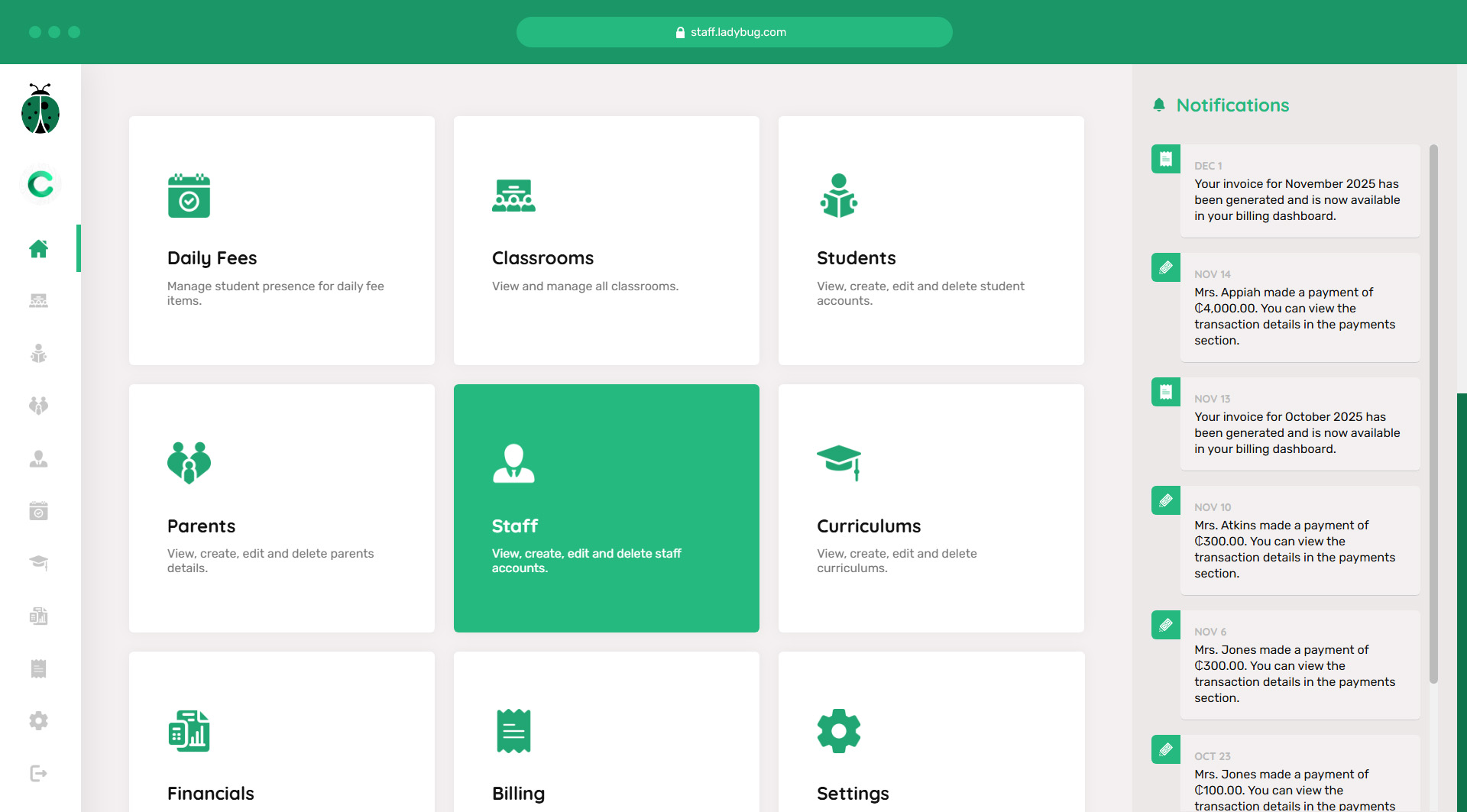
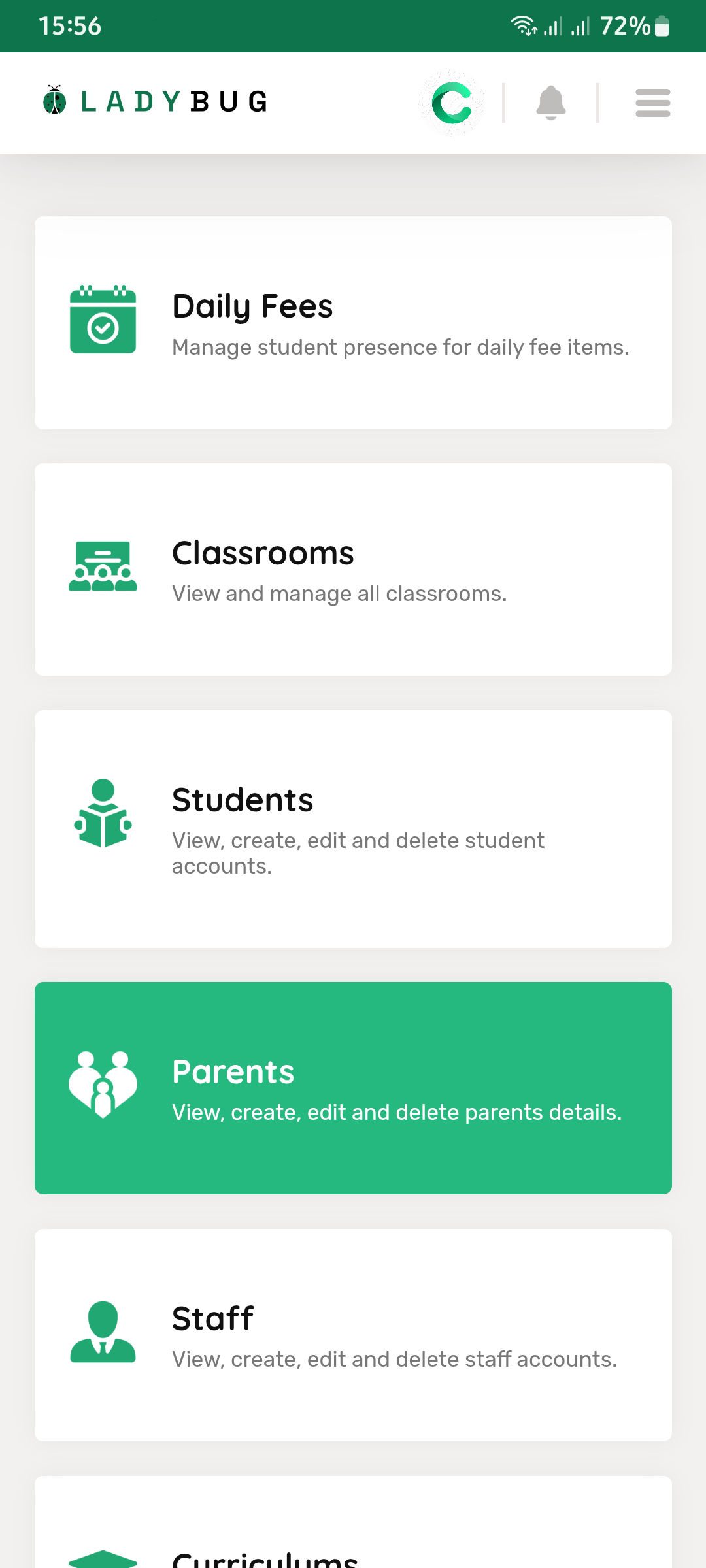
When a school is small, it is possible to keep student information in one place, financial records in another, and academic data somewhere else entirely — and still just about manage. As the school grows, that scattered approach becomes a genuine liability.
Growing schools need central access to student information, financial records, academic data, and administrative reports. When information lives in multiple places, inconsistencies creep in. The same student appears under different names in different registers. A fee payment recorded in one book does not match another. A report requested urgently requires three people and two hours to piece together.
Centralisation is not a luxury that comes later. It is what makes growth sustainable.
Build for Where You Are Going, Not Where You Are Now
The most useful question a growing school can ask is not "does this system work today?" It is "will this system still work when we are twice the size?" Can reports still be generated quickly? Will a new staff member be able to understand how everything is organised without needing weeks of handholding? What happens when enrolment doubles and the person who currently holds everything together moves on?
Systems built only for the current moment tend to break at exactly the moment you need them most — when the school is busy, growing, and under scrutiny.
Growth Should Feel Like Progress
The schools that scale well are not necessarily the ones with the most resources. They are the ones that invested in structure early, before the pressure made it urgent. That investment pays back in smoother operations, stronger decision-making, and the kind of quiet confidence that comes from knowing your school can handle what is coming next.
Growth should feel like progress. With the right systems underneath it, it will.